.svg)
Writing Postcard Messages That Capture Attention and Drive Action


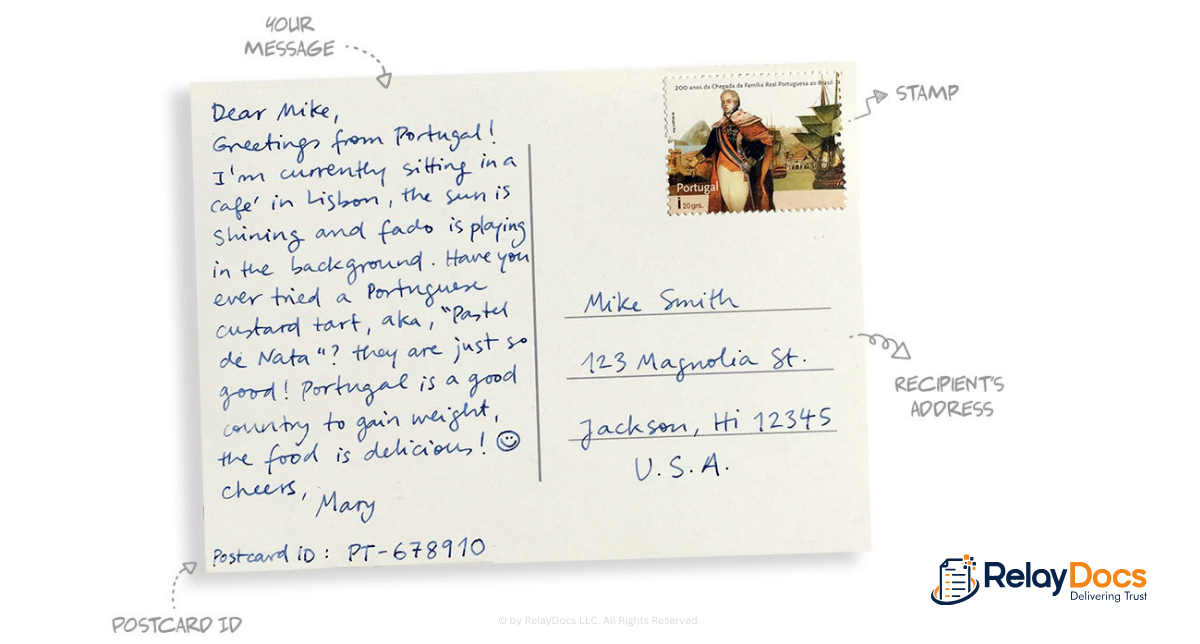
Postcards remain a trusted and effective way to communicate because they combine physical presence with clear, focused messaging. When written well, a postcard captures attention immediately, encourages action, and stays memorable long after it is received. Organizations see better results when strong messaging is supported by thoughtful design and data-driven audience insights. Whether used for customer communication or marketing outreach, the message itself plays a critical role in success.
This guide walks through the essential steps of writing an effective postcard message. From personal notes to large-scale campaigns, clear and intentional messaging helps organizations communicate with confidence and connect in a more meaningful way.
The Importance of Messaging in Postcard Campaigns
The message on a postcard is often the first and only opportunity to engage the recipient. Without an envelope, your content is visible instantly, making clarity and relevance essential. The effectiveness of a postcard campaign depends on how well the message communicates its purpose and value.
Strong postcard messaging helps by:
- Creating immediate impact: Clear, focused language captures attention the moment the postcard is seen.
- Driving measurable response: Well-crafted messaging increases engagement and improves overall campaign performance.
- Strengthening design effectiveness: When messaging and visual design work together, postcards become more memorable and action-oriented.
Whether the goal is to thank customers, share important information, or promote an offer, the message should always be aligned with the audience and the intended outcome. Writing an effective postcard message starts with understanding who the recipient is and what matters to them. Personalized, relevant content increases trust and makes the communication feel intentional rather than generic. When the message is tailored to the reader’s needs, postcards are more likely to be read, remembered, and acted on.
Structuring Your Postcard for Clarity and Delivery
Before writing your message, it’s important to understand the postcard layout. A standard postcard is divided into two sides. The front is used for imagery or branding, while the back is split into two sections: the message area on the left and the address and postage area on the right.
Using a defined layout helps ensure your content is easy to read and compliant with postal standards. Proper spacing and placement support smooth processing and reliable delivery, especially for business mailings sent at scale.
Addressing best practices include:
- Use the recipient’s full name
- Place street or P.O. Box on the next line
- Add city, state, and ZIP or postal code
- Include the country for international mail
- Keep the top-right corner clear for postage
A clean layout ensures your message looks polished and reaches its destination without delay.
How to Write an Effective Postcard Message
Strong postcard messaging is focused, intentional, and easy to act on. Follow these simple steps to write a message that works.
Step 1: Understand the Recipient
Write with the recipient in mind. Personal postcards should reflect the relationship, while business postcards should use available data to tailor tone and relevance.
Step 2: Define the Purpose
Be clear about your goal before writing. Whether it’s sharing information, promoting an offer, or prompting a response, every line should support that objective.
Step 3: Lead with a Clear Headline
The headline sets expectations. Keep it short and benefit-focused so the reader understands the message immediately.
Step 4: Keep the Message Brief
Postcards have limited space. Use simple language, focus on the key value, and limit the body to a few concise sentences.
Step 5: Include a Direct Call to Action
Tell the reader what to do next. Clear, specific actions increase engagement and response.
Step 6: Make Response Easy
Include only the essential details needed to respond, such as a website, QR code, or contact information.
Step 7: Confirm Address Accuracy
Ensure addresses are complete, formatted correctly, and legible to avoid delivery issues.
Step 8: Review Before Sending
Check postage, readability, and timing before mailing to ensure your postcard arrives on time and performs as intended.
Tips for Writing Postcard Messages That Perform
A strong postcard message is clear, relevant, and easy to act on. These best practices help increase engagement and response:
- Personalize with intent: Use recipient data such as name, location, or timing to make the message feel purposeful and relevant.
- Adapt content dynamically: Tailor messaging based on audience segments so each recipient sees what matters most to them.
- Stay focused and direct: Simple language outperforms complex phrasing. Speak to the reader’s need, not your internal terminology.
- Measure and refine: Test headlines, calls to action, and message length to understand what drives response and improve future campaigns.
- Prioritize readability: Whether printed or handwritten, clarity matters. Clean typography and legible formatting ensure your message is actually read.
Common Pitfalls That Reduce Postcard Effectiveness
Avoid these mistakes to protect both engagement and delivery:
- Too much text that competes for attention
- Feature-heavy messaging instead of clear benefits
- Unclear or missing calls to action
- Generic language that feels mass-produced
- Address errors that lead to delays or return mail
Attention to detail at this stage prevents wasted spend and missed opportunities.
How RelayDocs Helps Deliver Messages That Matter
RelayDocs helps organizations turn approved content into compliant, trackable postcards delivered at scale. Our platform supports personalized messaging, address accuracy, postal optimization, and real-time visibility, so every postcard is sent with confidence. By combining intelligent workflows with automation and delivery tracking, RelayDocs ensures messages are not only well written, but also delivered accurately, on time, and ready for audit.
When the message matters, delivery matters just as much. RelayDocs helps you get both right.

Stay Ahead with Timely Industry Intelligence
Stay informed with expert perspectives on compliance, breach response, and secure document delivery.

Compliant Communications for Every Sector
From regulated industries like finance and healthcare to public sector entities and insurance providers, RelayDocs delivers secure, traceable, and cost-effective document automation that meets your compliance and operational needs.

Ready to Transform Your Document Workflows?
From generation to delivery, our APIs power document workflows that are secure, scalable, and fully in your control.